
Madrid holds stories for Mexican visitors that almost no one tells. Did you know that the chotis "Madrid" was composed by a Mexican without ever having crossed the Atlantic? And that Cervantes requested a position in the Americas, and the Council of the Indies told him to look for something here instead?
Here are the first clues, with sources. The rest unfolds as we walk: on our free tour, Patricia makes stops with anecdotes about words and stories linked to Mexico. If you'd rather read the Argentine version, see Madrid for Argentine visitors.
In summary
- Chotis «Madrid»: It was composed by Agustín Lara, a Mexican, without having crossed the Atlantic.
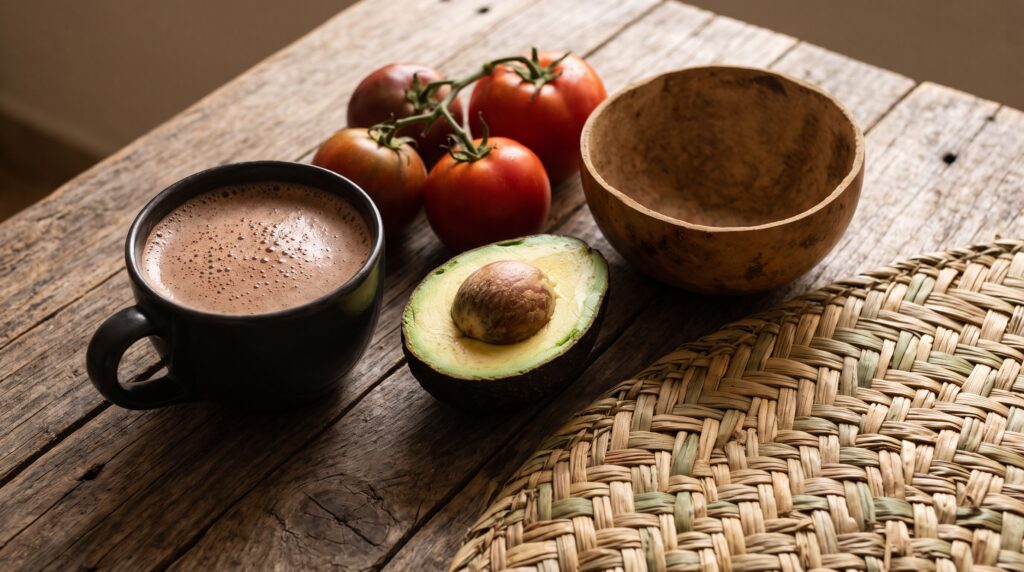
- Words: chocolate, tomato, avocado, and chewing gum come from Nahuatl.
- Guacal: It comes from Nahuatl huacalli, "wooden box".
- Chocolate: The Chocolatería de San Ginés has been serving it since 1894.
- Cervantes: He applied for a position in the Indies in 1590 and was rejected.
- Museum of the Americas: Avenida de los Reyes Católicos, 6. General admission €3.
- Free tour: 11:15 at Puerta del Sol, pay what you wish.
If you want to hear these stories on the street, our free tour of Madrid leaves from Puerta del Sol. It's pay-what-you-wish: you pay nothing upfront and, at the end, you give what you think it was worth.
Madrid for Mexican visitors: Agustín Lara's "Madrid" chotis
The chotis "Madrid" was composed by the Mexican Agustín Lara. It is part of his Suite española, a collection of 31 songs. According to El Debate, he wrote it without having crossed the Atlantic, using memories of exiles from the Civil War that he heard in the Café de Tacuba in Mexico, and with maps and books. Lara traveled to Spain in 1954.
While not officially the anthem of Madrid, it is widely considered one. In April 2024, a proposal was made at the City Council meeting to study whether it could become the official anthem, according to Qué.es.
In Madrid, there is a statue of Lara in the Lavapiés neighborhood, in the Plaza Arturo Barea, at the corner of Tribulete and Mesón de Paredes streets. It was inaugurated in 2001 and is the work of Mexican sculptor Humberto Peraza. Its plaque describes it as a tribute from Spain and Mexico. It can be reached by metro on line 3 (Lavapiés station). Source: UnoTV. It is not included in the tour route.
Madrid for Mexican visitors: words that crossed the ocean
According to México Desconocido, chocolate comes from xocolātl, tomato from tomatl, avocado from ahuacatl, and chewing gum from tzictli. These are words that are used daily in Spain.
Guacal also has Nahuatl origins. It comes from huacalli, which meant "wooden box" or "frame for carrying," according to Buenospanish. When it passed into Spanish, the sound hua was simplified to gua.
On the tour, Patricia tells anecdotes about words of American origin like these.
Madrid for Mexican visitors: the Museum of the Americas
The Museum of the Americas is located at Avenida de los Reyes Católicos, 6, near the Moncloa (L3 and L6) and Islas Filipinas (L7) metro stations. It houses over 25,000 objects and covers the period from American prehistory to the present day, with an emphasis on pre-Columbian archaeology, ethnography, and colonial art.
General admission is €3. It is free on Sundays and Thursdays from 2:00 PM. Closed on Mondays. Source: esMadrid. The museum is not included in the tour route.
Madrid for Mexican visitors: chocolate
Chocolate has a direct link to Mexico. According to Consumer, Hernán Cortés arrived in Mexico in 1519, and this text considers it the true discovery of cacao by the Spanish. Moctezuma offered him the drink in a golden cup. Later, it was sweetened with honey and then with sugar, and it became the drink of the kings and the Spanish court.
In Madrid, the Chocolatería de San Ginés has been serving chocolate with churros since 1894, at Pasadizo de San Ginés, 5. According to esMadrid, its fame began when audiences leaving the theater would go there to drink it. It is not part of the tour route.
Madrid for Mexican visitors: Cervantes and the Indies
On May 21, 1590, Miguel de Cervantes submitted a petition to the Council of the Indies, along with his service record. He requested one of the vacant positions in the Americas, such as the comptrollership of the New Kingdom of Granada or the corregidorship of La Paz. On June 6, his petition was rejected with the phrase "Busque por acá en que se le haga merced" (roughly, "look for a post here instead").
Years later, in 1608, Cervantes is documented in the Atocha neighborhood, and later in the streets of Magdalena, León, and Huertas. Source: Miguel de Cervantes Virtual Library.
There are still stories to tell. Patricia tells them along the way, and there's always one you didn't expect.
How to prepare for your visit to Madrid
1. Book the free tour for your first day and leave the afternoon for the museum.
2. Check the dates. If you're traveling at Christmas, read our guide to Christmas in Madrid.
3. Share the guide with your Argentine friends: Madrid for Argentine visitors.
Discover it with us: central Madrid with a guide
Our free walking tour of Madrid departs daily at 11:15 from Puerta del Sol, in front of ZapShop. You'll recognize us by our purple umbrellas. It lasts approximately 2 hours and 15 minutes and ends near the... Royal Palace. There are tours in Spanish every day and in English from Monday to Friday. Before you go, check the website in case the meeting point changes.
It's a free tour with no upfront cost: you don't pay anything in advance and, at the end, you contribute what you think is appropriate. Check availability and book.
Frequently asked questions about Madrid for Mexican visitors
Words and museum
From Nahuatl huacalli, "wooden box or "carrying frame", according to Buenospanish.
General admission is €3, according to esMadrid. It is free on Sundays and Thursdays from 2:00 p.m.
According to El Debate, the Mexican Agustín Lara, without ever having crossed the Atlantic. There is a statue of him in Lavapiés, inaugurated in 2001.
About the free tour
You don't pay anything upfront. In the end, you contribute what you deem appropriate.
No. It's a walking tour of the city center, with no entrance fees included.
Do you want to explore Madrid with us?
